PYRAMIDS-I
PYRAMIDS-I
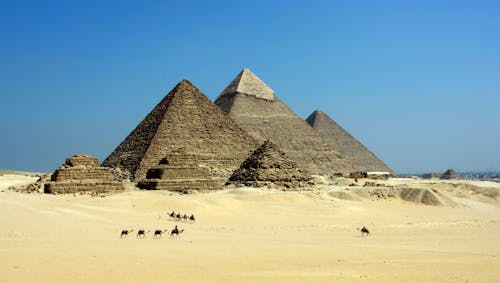
In architecture, a pyramid is a colossal building with a rectangular base and four sloping triangular (or occasionally trapezoidal) sides that meet at an apex and are built of or coated with stone or brick (or truncated to form a platform). Pyramids have been erected in Egypt, Sudan, Ethiopia, western Asia, Greece, Cyprus, Italy, India, Thailand, Mexico, South America, and on certain Pacific Ocean islands at different eras. Egypt's, as well as those from Central and South America, are the most well-known.
Ancient Egypt's pyramids were funeral structures. They were constructed during a 2,700-year span, beginning with the Old Kingdom and ending with the Ptolemaic era. However, the period beginning with the 3rd dynasty and ending with the 6th (c. 2686–2325 BCE) was when pyramid construction achieved its pinnacle, the pyramid age par excellence. The pyramid was the most common kind of royal mausoleum throughout ancient times.
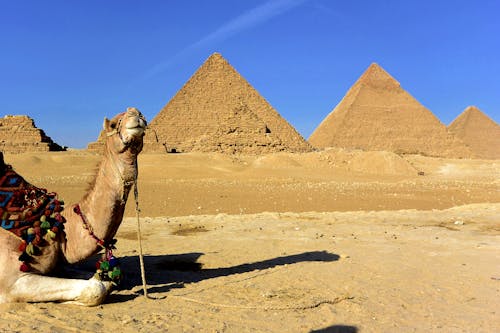
It was never a stand-alone structure, but rather a component of a larger architectural complex.The pyramid itself, containing or surmounting the grave proper and standing within an enclosure on high desert ground; an adjacent mortuary temple; and a causeway leading down to a pavilion (usually called the valley temple), situated at the edge of the cultivation and probably connected to the Nile by a canal, were the essential components, at least during the Old Kingdom. Many royal pyramids have been discovered in Egypt, but many of them have been reduced to heaps of rubbish and their valuables have already been looted.
Many pyramids are in bad condition or have been buried by desert sands. They may appear to be little more than piles of debris if they are visible at all. As a result, archaeologists are continuing to find and analyse pyramid constructions that were previously unknown.
On November 11, 2008, the pyramid of Sesheshet at Saqqara, mother of the Sixth Dynasty pharaoh Teti, was revealed as the most recent to be unearthed.
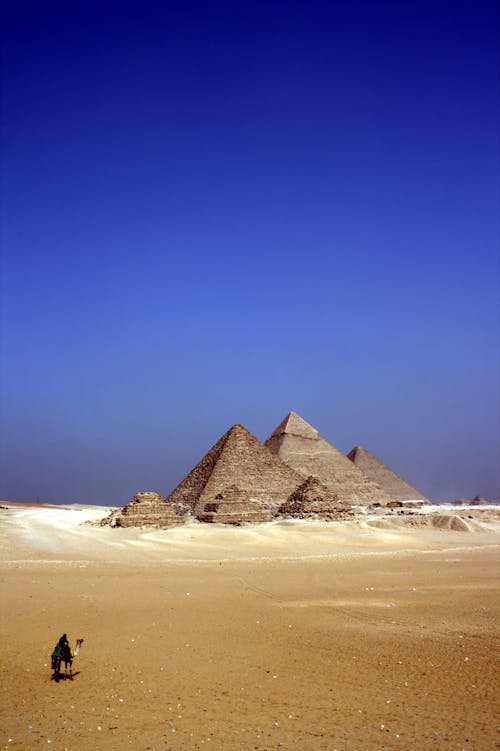
Except for the tiny Third Dynasty pyramid at Zawyet el-Maiyitin, all of Egypt's pyramids are found on the west bank of the Nile, and the majority of them are clustered together in pyramid fields. The most notable of them are mentioned here, in order of importance, from north to south.
CONSTRUCTION
Massive amounts of stone had to be moved to build the pyramids. The Diary of Merer, an Egyptian official involved in transporting limestone along the Nile River, was found in 2013 by archaeologist Pierre Tallet in the Egyptian desert near the Red Sea. These papyri show procedures involved in the construction of Giza's Great Pyramid, which houses the tomb of Pharaoh Khufu and is located just outside of modern-day Cairo.
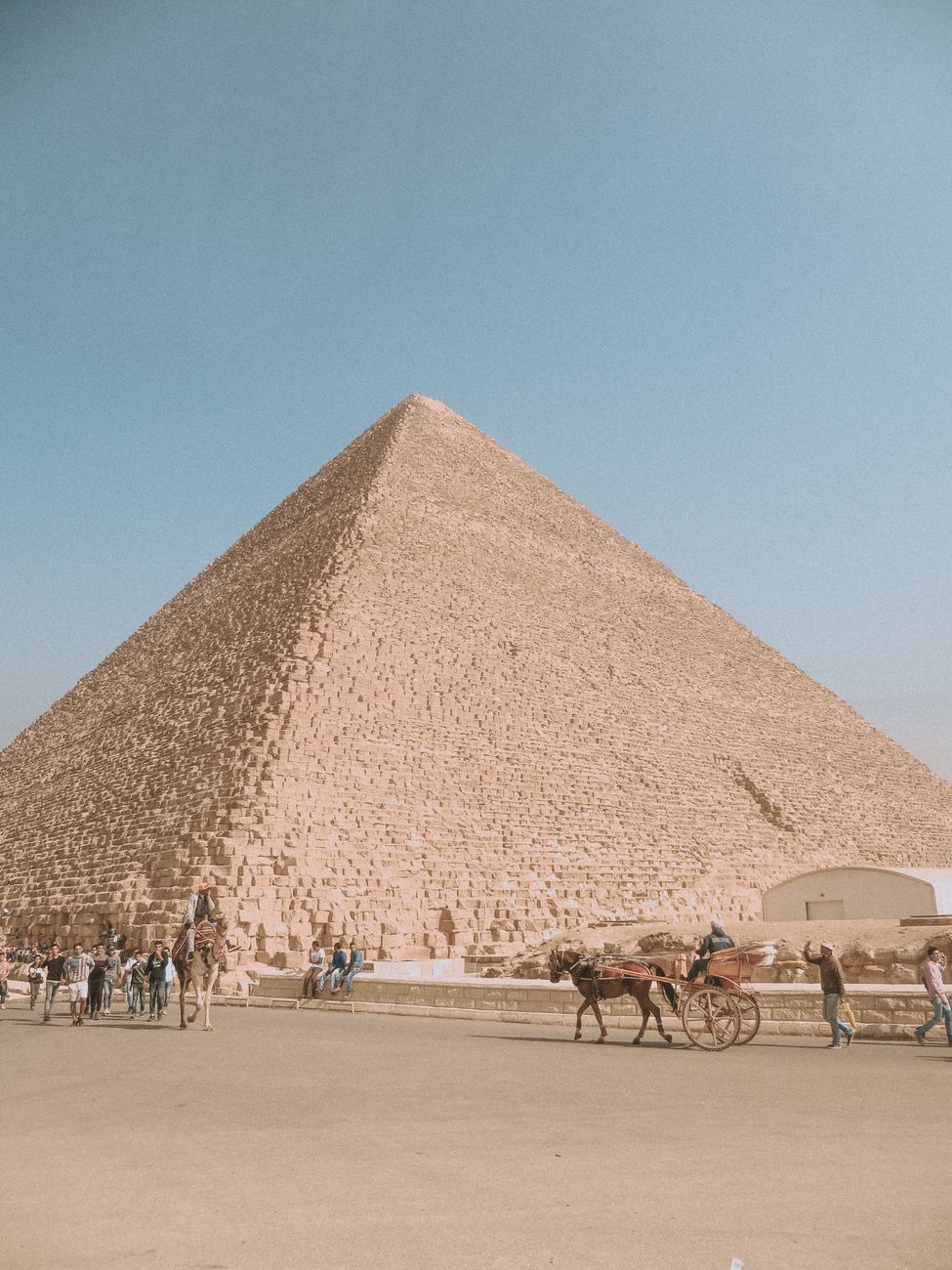
Rather than being carried overland, the limestone used to build the pyramid was moved down the Nile River, according to evidence found in the Diary of Merer and surviving relics of ancient canals and transport vessels. Quarried blocks may have been brought to the building site on wooden sleds, with sand in front of the sled wetted to decrease friction. Water droplets form bridges between sand grains, allowing them to stay together.


Comments
Post a Comment